
Scar Therapy
Gentle, painless and immediately effective hands-on support for scar tissue dysfunction
—so recovery doesn’t have to feel tight, stuck, or painful.
Can Scar Therapy Help Years After Surgery or Injury?
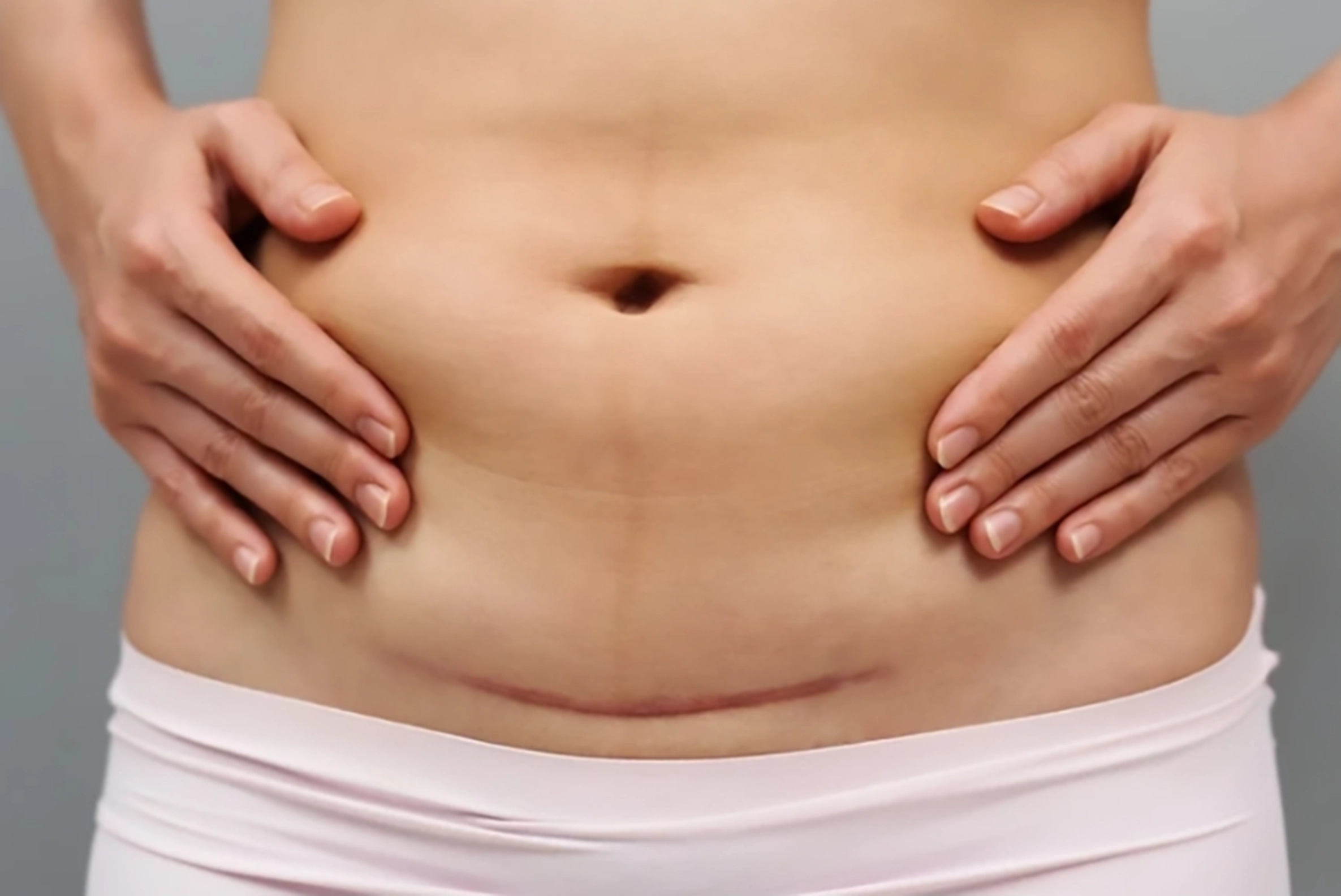
Many people are surprised to learn that scar support exists—even years after surgery or injury. If you’re experiencing ongoing pain, pulling, sensitivity, numbness, or movement limitations, Scar Therapy helps to gently mobilize and soften the scar and surrounding tissue, supporting better movement and overall comfort in your body.
Scar tissue is like an iceberg
A scar is so much more than the part you can see on the surface. Underneath, scar tissue can create areas that feel painful, tight, stuck, or sensitive, and those deeper restrictions can influence how your body moves, feels, and compensates.
That’s why you might notice symptoms that don’t seem directly connected to the scar itself such as digestive issues, headaches or migraines, jaw or shoulder pain, and chronic low back, hip or leg pain. The goal of Scar Therapy is to gently support and mobilize the tissue beneath the surface so it can soften restrictions and move more freely—without forcing your body or pushing through pain.

What Scar Tissue is:
Scar tissue is fibrous tissue that your body forms after surgery or injury. It doesn’t move and glide like healthy tissue and can “stick” layers together by connecting to and affecting the function of deeper tissues such as muscles and organs. So the body adapts, often by tightening, guarding, or compensating long after healing. This can create tension patterns far away from the scar itself.
Sometimes symptoms show up in different ways:
Because restrictions in your body’s fascial system can influence how your body moves and compensates, you might notice symptoms in a different area, such as:
- Digestive discomfort or constipation
- Headaches or migraines
- Jaw or shoulder tension
- Low back, hip, or leg pain
- Other unresolved symptoms of pain or movement limitations in an unexpected area
Signs a scar may be contributing to how you feel:
Why Scar Therapy can be beneficial
Scar Therapy uses gentle manual and mobilization techniques designed to help scar tissue and surrounding areas soften and move more freely.
This can be beneficial because it may help:
- Reduce pulling, pain and other symptoms around the scar
- Improve ease of movement and comfort
- Reduce guarding and fear of movement
- Support the way your tissue adapts as you heal
“I came to Stacey for treatment of multiple abdominal scars from recent surgeries. It's very gentle and soothing. I can hardly sit up after my treatment because I'm so relaxed. It's the best money I've ever spent on my healing and overall health. Highly recommend."
What makes this different from “deep work”
A lot of people assume the only way to change tissue is with intense pressure or aggressive techniques. Scar Therapy is different.
The approach is gentle on purpose
This method uses Sharon Wheeler’s ScarWork Method™-informed techniques to help calm the nervous system and integrate the scar into the surrounding fascial web—slowly, respectfully, and within your comfort level.
New scars and old scars can both respond
If your surgery or injury is recent
Early support can promote healthy, flexible scar tissue, decreasing the likelihood of complications. Gentle, safe, and appropriate techniques are used for each stage of healing, beginning as early as 4 weeks after surgery.
If your scar is older
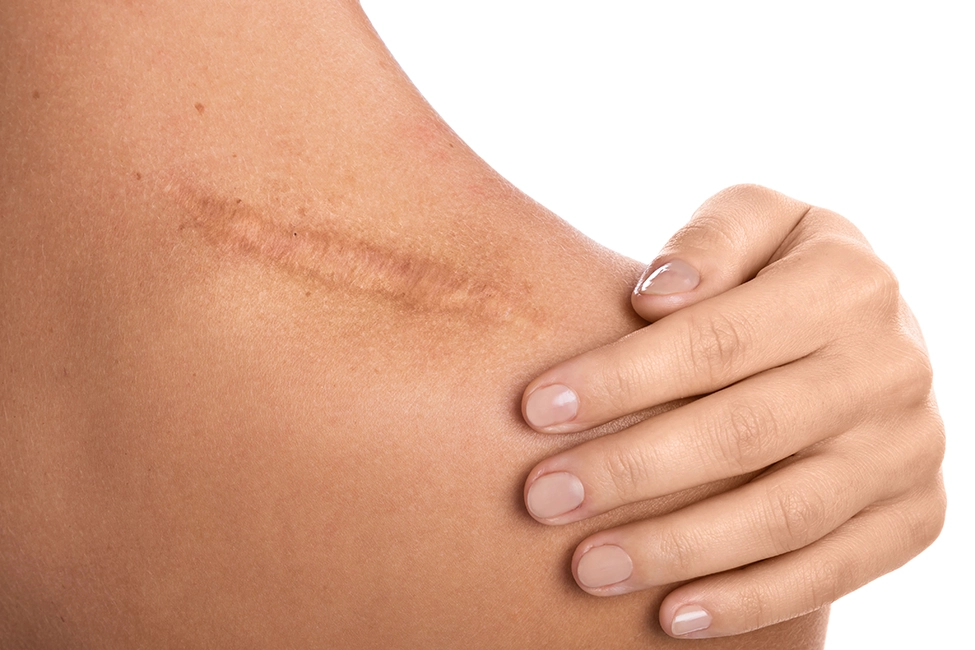
It’s common for people to think “it’s too late.” It’s never too late! Older scars can still have big changes when they receive the right gentle stimulation.
What to expect in a session (especially if you’re nervous)
If you feel anxious, we start slowly.
- Calm check-in: We talk through what you’re noticing and what feels sensitive.
- You stay in control: Pressure and pacing are always adjustable.
- Gentle hands-on work: Focused support to help soften tissue restrictions.
- Clear next step: You’ll leave knowing what to book next (no pressure).
You can pause anytime. Questions are welcome.
Pricing
- Initial — 75 min: $155
- Follow-up — 60 min: $130
"Stacey was easy to talk to and very professional. She knew exactly what I needed. The work she has done to help old scar tissue heal has been amazing."
Does Scar Therapy hurt?
This work is designed to be gentle. You’re always in control of pressure and pace.
Can you tell me what’s causing my symptoms?
I can’t diagnose medical conditions. I can listen carefully and work with tissue restrictions that may be contributing to discomfort or movement limitations.
How soon after surgery can I start?
Sessions are scheduled as early as 4 weeks post-op, as long as you are healing well.
Can old scars improve?
Yes! Older scars respond very well to treatment. It’s never too late to start.
How many sessions will I need?
Some changes can feel immediate, and the number of sessions depends on scar complexity and your goals. We’ll build a plan after your first session.